
The Reality Most Remodeling Guides Skip Over
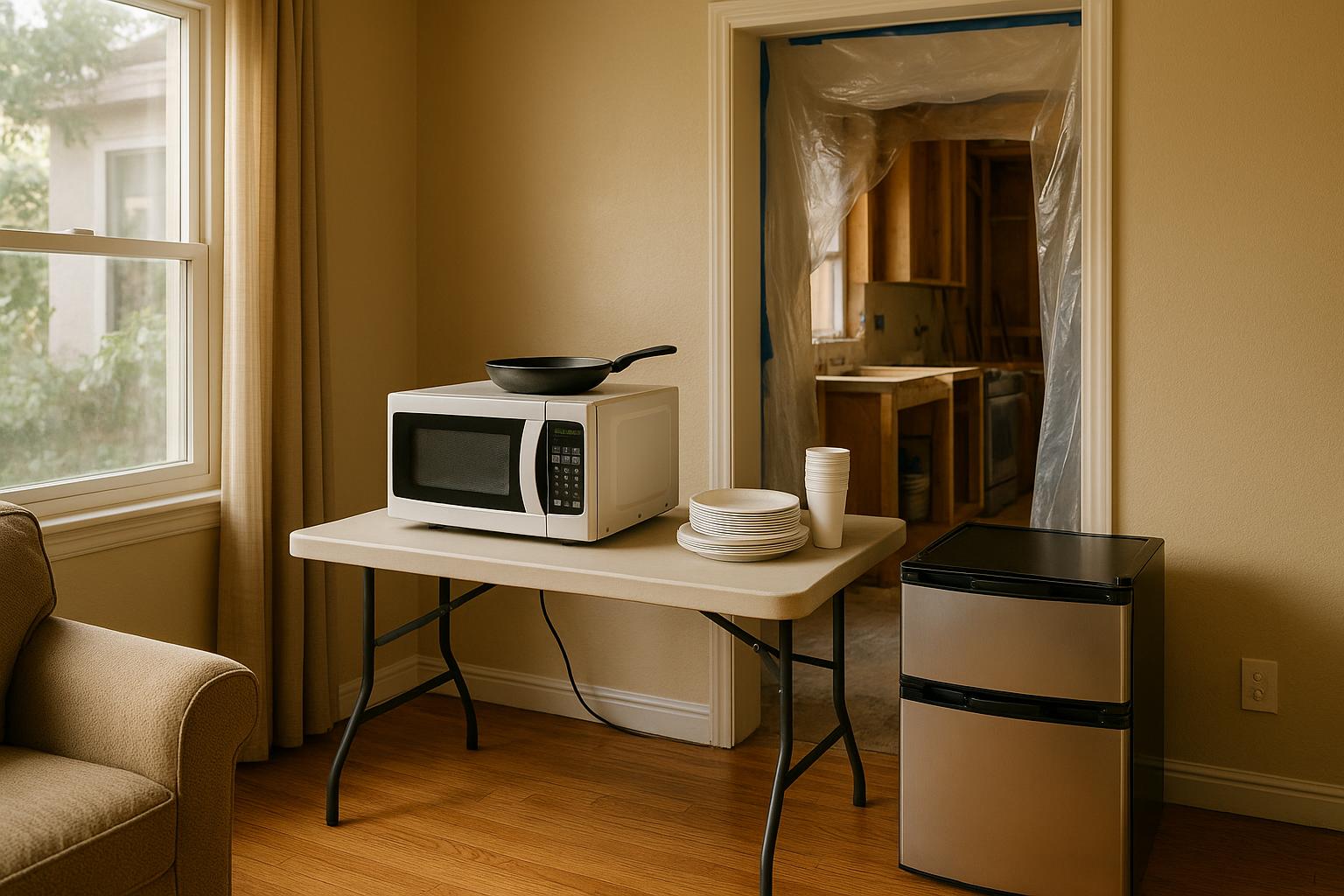
Here's the thing nobody talks about when they share those gorgeous before-and-after renovation photos: the during. The weeks where your kitchen is a construction zone and you're washing dishes in the bathroom sink. The mornings you step over drop cloths to make coffee with a microwave balanced on a folding table.
For most homeowners in San Diego, moving into a hotel or a rental for the duration of a remodel simply isn't realistic. Between the cost of temporary housing and the logistics of relocating a family, the vast majority of our clients at Silver San Diego Builders live in their homes throughout the entire project. And honestly? It's completely doable — as long as you plan for it.
This guide covers the practical strategies that make living through a renovation manageable, from setting up temporary living zones to communicating effectively with your contractor.
Start With a Realistic Timeline
Before a single wall is touched, you need a clear picture of how long the disruption will last. A bathroom remodel might take two to three weeks. A full kitchen overhaul could stretch to six or eight weeks. Whole-home renovations can run several months depending on scope.
Ask your contractor for a phased timeline — not just a start and end date, but a breakdown of what happens each week. This lets you anticipate the loudest, dustiest, and most disruptive phases and plan around them. For example, demolition days are not the days you want to schedule a work-from-home video call.
At Silver San Diego Builders, we walk clients through a week-by-week overview before work begins. Knowing what's coming takes a surprising amount of stress out of the process.
Set Up a Temporary Kitchen Before Yours Disappears
If you're remodeling your kitchen, this is the single most important thing you can do for your household's morale. A temporary kitchen doesn't need to be fancy. Here's what works:
- A folding table or sturdy shelf in your garage, dining room, or spare bedroom to serve as a countertop
- A microwave, toaster oven, and electric kettle — these three appliances can handle more meals than you'd think
- A mini fridge or cooler to keep basics cold
- Paper plates and disposable utensils for the first week or two (no shame in it)
- A plastic bin for dish washing if your only available sink is in a bathroom
Set this up before demolition day. You don't want to be scrambling to find your can opener while your kitchen cabinets are being carried out the front door.
Create Dust Barriers and Clean Zones
Construction dust is the number one complaint from homeowners living through a remodel, and for good reason. It gets everywhere — into bedrooms, closets, electronics, and lungs. A good contractor will hang plastic sheeting and use dust containment systems, but you should also take steps on your end.
- Seal off doorways to living areas with heavy plastic sheeting and painter's tape
- Roll up area rugs and store them away from the work zone
- Keep bedroom doors closed during work hours
- Run an air purifier in the rooms where your family spends the most time
- Change your HVAC filter more frequently during the project
San Diego's dry climate can make dust travel even further, especially during Santa Ana wind events. A little extra containment effort goes a long way.
Establish Ground Rules With Your Contractor
This is where good communication prevents most headaches. Before work starts, have a straightforward conversation about logistics:
- Work hours: What time will the crew arrive and leave each day? In neighborhoods across National City, Chula Vista, and La Mesa, noise ordinances typically restrict construction to certain hours. Make sure everyone's on the same page.
- Bathroom access: If you have one bathroom and it's being remodeled, where will the crew go? Where will you go? A portable restroom rental is a common and practical solution.
- Entry and exit: Which doors will the crew use? This keeps foot traffic predictable and helps you secure the rest of the house.
- Daily cleanup expectations: Will the crew sweep up at the end of each day? They should. Debris left overnight is a safety hazard, especially in homes with kids or pets.
- Pets and children: Establish clear boundaries about where pets and young children can safely be during work hours. Open walls, exposed wiring, and power tools are genuine dangers.
Protect Your Belongings
Move furniture, artwork, and valuables out of adjacent rooms — not just the room being remodeled. Vibrations from demolition can knock things off walls. Dust will settle on anything left uncovered. Electronics are particularly vulnerable.
If you don't have storage space, stack furniture in the center of a room and cover it with drop cloths or moving blankets. For longer projects like whole-home renovations, renting a small storage unit in the San Diego area is often worth the monthly cost for the peace of mind alone.
Keep One Room as Your Sanctuary
This might be the most underrated piece of advice in this entire article. Designate one room in your home as completely off-limits to the renovation. This is your retreat — the place where everything is clean, quiet, and normal.
It could be a master bedroom, a guest room, or even a finished garage. Stock it with comfortable seating, good lighting, your Wi-Fi router, and whatever else helps you decompress. When the rest of the house feels like a construction site, having one untouched space makes an enormous psychological difference.
Plan for the Disruption to Your Routine
A remodel will change how you move through your home. Hallways might be blocked. Rooms you normally use will be unavailable. Morning routines that took twenty minutes might now take forty.
Small adjustments help:
- Shift your morning schedule earlier to avoid competing with the crew for bathroom time
- Plan meals around your temporary kitchen setup — think slow cooker dinners and simple breakfasts
- If you work from home, identify a quiet room or plan to work from a coffee shop or library on demolition days
- Give yourself grace. Living in a construction zone is inherently stressful, and it's okay to feel frustrated sometimes
The Payoff Is Worth the Disruption
Every homeowner we've worked with in San Diego, from Coronado to El Cajon, has said the same thing once their project was finished: they'd do it again. The weeks of inconvenience fade quickly when you're standing in a kitchen that finally works the way you need it to, or soaking in a bathroom that feels like it belongs in a completely different house.
Living through a remodel isn't glamorous. But with the right planning and a contractor who communicates clearly, it's far more manageable than most people expect. If you're considering a renovation and wondering how you'll survive the process, reach out to Silver San Diego Builders. We'll walk you through what to expect — no sugarcoating, no surprises.