
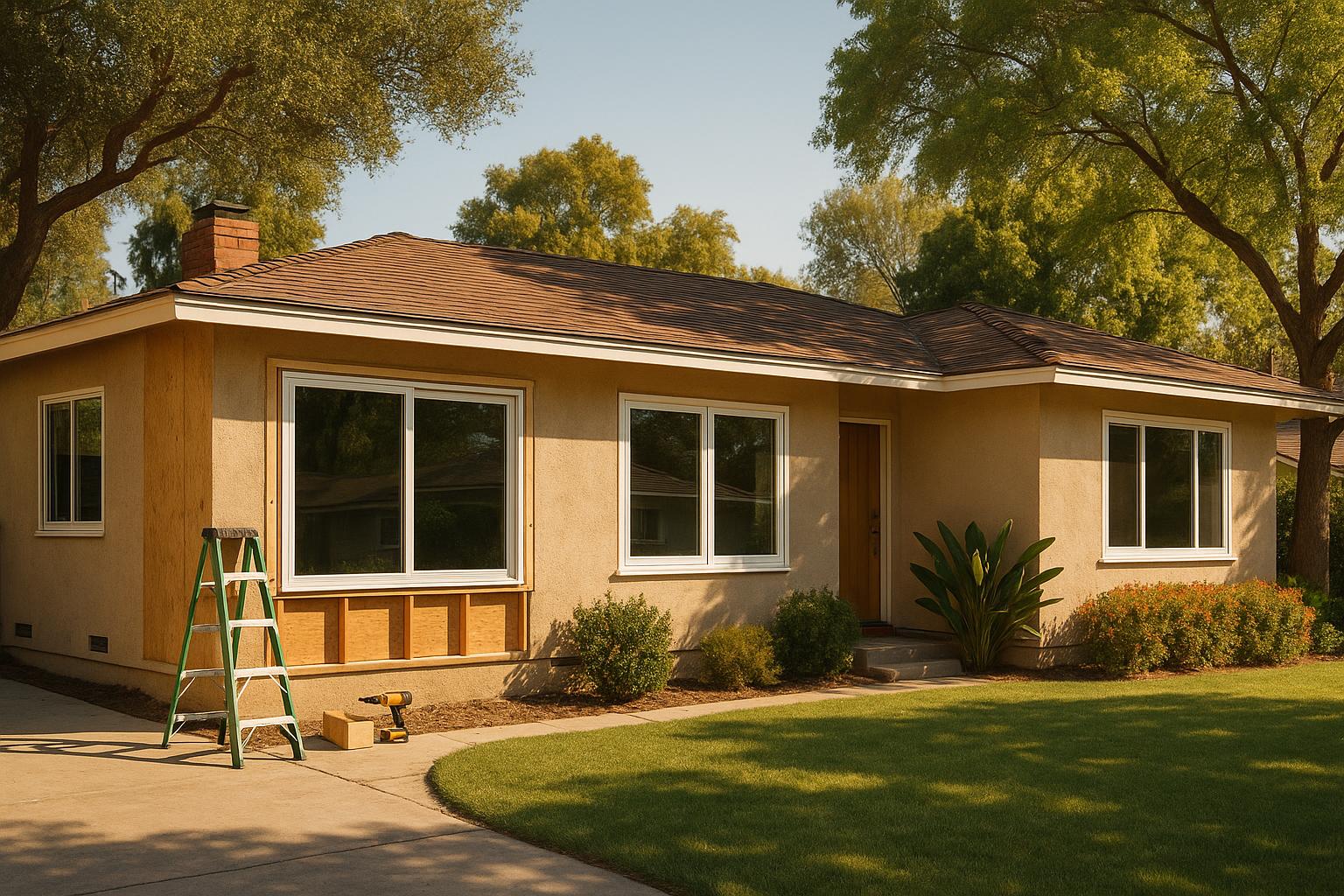
San Diego Is Full of Older Homes — And That Changes Everything About Remodeling
San Diego's neighborhoods are packed with character. From mid-century ranch homes in La Mesa to postwar bungalows in National City and Spanish-style houses scattered across Chula Vista, a huge number of local homes were built decades ago. Many of them haven't had a major update since the '70s or '80s — sometimes longer.
If you're thinking about remodeling one of these older homes, you're making a smart investment. But you need to go in with your eyes open. Renovating a house built before 1990 is a different game than updating a newer build. There are structural surprises, outdated materials, and code requirements that can throw off your timeline and budget if you're not prepared.
Here's what we've learned from years of remodeling older homes across San Diego — and what you should know before you pick up a sledgehammer.
1. Expect to Find Outdated Wiring and Plumbing
This is the number one surprise homeowners run into. You open up a wall to start a kitchen remodel and discover knob-and-tube wiring, aluminum wiring, or galvanized steel pipes that are corroding from the inside out.
Homes built before the 1970s in San Diego commonly have electrical systems that aren't designed to handle modern loads — think multiple kitchen appliances, HVAC systems, and home offices running simultaneously. Plumbing in homes from the same era often uses materials that are now considered outdated or even hazardous.
This doesn't mean your remodel is doomed. It just means your contractor needs to assess these systems before finalizing a scope of work. A good remodeling company will include an evaluation of what's behind the walls as part of the planning process, not treat it as an afterthought.
2. Lead Paint and Asbestos Are Real Concerns
If your home was built before 1978, there's a strong chance it contains lead-based paint. Homes built before the mid-1980s may also have asbestos in floor tiles, insulation, popcorn ceilings, or pipe wrapping.
This isn't something to panic about — these materials are generally safe when undisturbed. But remodeling disturbs them. Cutting, sanding, or demolishing materials that contain lead or asbestos releases dangerous particles into the air.
Federal law requires that any renovation work in pre-1978 homes follow EPA Lead Renovation, Repair, and Painting (RRP) rules. Your contractor should be RRP-certified and know how to test for and safely handle these materials. If they don't bring this up during the estimate phase, that's a red flag.
What You Can Do
- Ask your contractor directly about their experience with pre-1978 homes
- Request testing for lead and asbestos before demolition begins
- Factor abatement costs into your budget — they're worth every penny for your family's safety
3. Building Codes Have Changed — A Lot
A home that was up to code in 1965 is almost certainly not up to code today. When you remodel, the City of San Diego (or whichever local jurisdiction covers your area) will require that the renovated portions of your home meet current building codes.
This can affect everything from electrical panel upgrades to window egress requirements in bedrooms, bathroom ventilation, and structural reinforcements. In some cases, a seemingly simple bathroom remodel can trigger the need for a new electrical sub-panel or upgraded plumbing connections.
Permits matter here. Some homeowners try to skip permits to avoid the hassle, but this creates serious problems down the road — especially when you try to sell. Unpermitted work in San Diego can derail a home sale or force you to tear out and redo finished work. A reputable remodeling contractor will pull the right permits and handle inspections as part of the project.
4. The Layout Might Not Make Sense for Modern Living
Older homes were designed for a different era. Kitchens were small and closed off. Bathrooms were tiny. Living rooms were formal spaces that nobody actually lived in. If you're remodeling a home in El Cajon or Coronado that was built in the 1950s or '60s, you've probably noticed that the floor plan feels cramped or compartmentalized compared to how your family actually uses the space.
This is where thoughtful design makes a huge difference. Opening up a kitchen to the living area, adding a bathroom to a primary bedroom, or converting a seldom-used formal dining room into a functional home office can completely transform how your home feels — without adding a single square foot.
Questions to Ask Yourself Before Finalizing a Layout
- Where does my family spend the most time, and does the current layout support that?
- Are there rooms we almost never use that could serve a better purpose?
- Do we need more storage, more open space, or both?
- Will this layout still work for us in five to ten years?
5. Budget for the Unexpected — Seriously
With newer homes, what you see is mostly what you get. With older homes, there's always a chance of finding something unexpected once walls come down or floors come up. Termite damage, foundation settling, water damage behind tile, improperly done previous repairs — we've seen all of it in homes across San Diego.
We always recommend that homeowners set aside a contingency of 15 to 20 percent of their total remodeling budget for older homes. That buffer gives you room to address real issues without derailing the entire project. If you don't end up needing it, great — you've got money left over. But if you do need it, you'll be glad it's there.
6. The Right Contractor Makes All the Difference
Remodeling an older home requires a contractor who knows what to look for and isn't going to cut corners. It's not the same as slapping new cabinets into a 2015 tract home. You need someone who understands older construction methods, knows local permit requirements, and communicates honestly when surprises come up.
At Silver San Diego Builders, we work on older homes throughout San Diego, National City, Chula Vista, La Mesa, and the surrounding areas. We've seen the quirks, the hidden problems, and the incredible potential that these homes have. We build our estimates with honesty, plan for the unexpected, and keep you informed every step of the way.
Your Older Home Deserves a Smart Renovation
An older home in San Diego isn't a liability — it's an opportunity. These homes often sit on great lots in established neighborhoods with mature trees and real character. With the right remodel, you can bring the interior up to modern standards while preserving what makes the house special.
The key is going in prepared. Understand the challenges, hire a contractor who's upfront about what's involved, and give yourself the budget flexibility to handle surprises. Do that, and you'll end up with a home that's not only beautiful but built to last for decades to come.
If you're considering a remodel on an older home and want a straightforward assessment of what's involved, reach out to Silver San Diego Builders. We'll walk through your home, talk through your goals, and give you an honest picture of what it'll take to get there.